Visit
See a working yard
Open shoreline, active builds, village etiquette. No ticket booth — this is a workplace that welcomes respectful visitors.
Bonto Bahari · Bulukumba · South Sulawesi · Crews generally work about 08:00–17:00
 Tana Beru Shipyard
Bonto Bahari · Bulukumba · South Sulawesi
Tana Beru is a village in Bonto Bahari district, Bulukumba Regency, South Sulawesi, Indonesia, where wooden phinisi hulls are built on the open beach by Konjo and Bugis shipwrights known as panrita lopi. This almanac covers how to visit, how long a hull takes, and how to commission one.
A working beach yard, not a ticketed attraction.
Heritage
UNESCO, 2017
Pinisi — the art of boatbuilding in South Sulawesi — inscribed on the Representative List of Intangible Cultural Heritage.
Epithet
Butta Panrita Lopi
Bulukumba’s epithet: “land of the master boatbuilders” — centred on Tana Beru, Bira and Lemo-Lemo.
Access
12–15 km from Bira
On the Makassar–Bira coastal road, roughly 180 km and a 4–5 hour drive from Makassar.
Contracts
PT Komodo Galangan Nusantara
Build and supervision contracts on this site are issued by this entity, part of Juara Holding Group.

One almanac, three questions
Visit
Open shoreline, active builds, village etiquette. No ticket booth — this is a workplace that welcomes respectful visitors.
Timeline
Keel to launch on the sand: stages, timber, ceremonies and the build calendar behind every phinisi standing on the beach.
Commission
Build slots, stage-payment contracts and owner-side supervision, with USD pricing and written scope from day one.
Build windows
| Vessel | Typical hull window | Notes |
|---|---|---|
| 15–20 m hull | 10–14 months | Smaller charter and utility hulls; fastest path from keel-laying to launch. |
| 20–30 m hull | 14–20 months | The common liveaboard class; 30 m luxury builds are also reported at 12–18 months with larger crews. |
| 30–45+ m hull | 20–24+ months | Large expedition and flagship hulls; the biggest builds reported run to 36 months. |
Ranges as reported across published yard accounts of Tana Beru builds; every hull varies with size, specification, crew and timber supply. Full stage-by-stage detail: the build timeline
Material & method
Hulls at Tana Beru are carried by dense tropical hardwoods, joined with wooden dowels (pasak) rather than metal fasteners through much of the planking.
Panrita lopi build hull-first, shaping planks before frames, working from inherited proportion rules instead of drawings — the method UNESCO inscribed in 2017.
Rites of the build
01
A build opens with rites at the keel — the moment a contract becomes a vessel and the master takes responsibility for the hull.
02
Blessings mark the hull’s growth as dowelled planking closes the body and deck beams go in.
03
The finished hull is hauled to the waterline over timber rollers by ropes and many hands — a village event as much as a delivery.
Commissioning
Commissioning at Tana Beru runs on stage payments tied to physical milestones — keel, planking, decking, launch — never a single deposit. Pricing is quoted in USD; Indonesian government fees are stated factually in IDR where they apply.
Build and supervision contracts are issued by PT Komodo Galangan Nusantara.
Journal
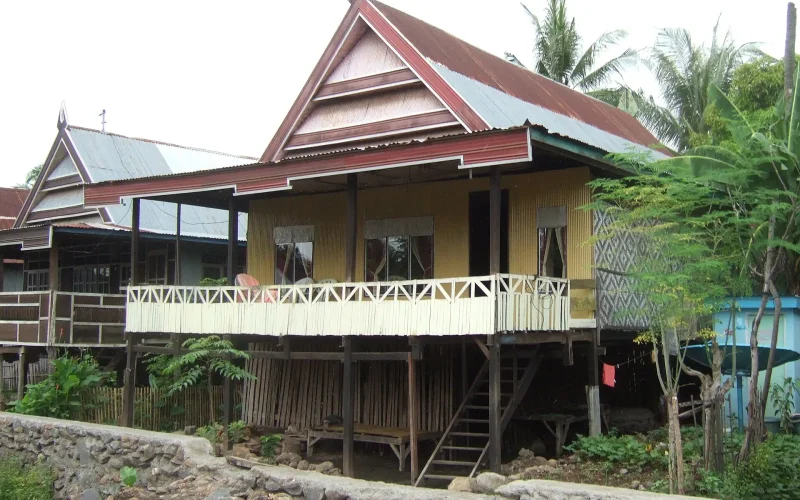
Yard & Access
18 Aug 2026
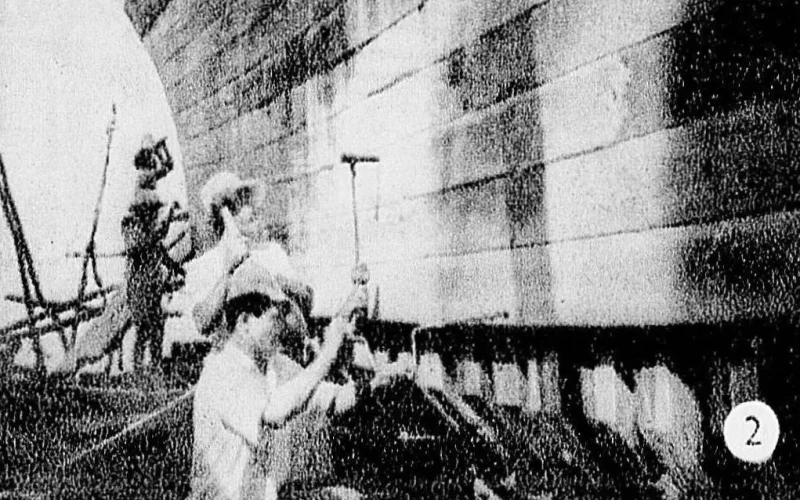
Heritage & People
18 Aug 2026
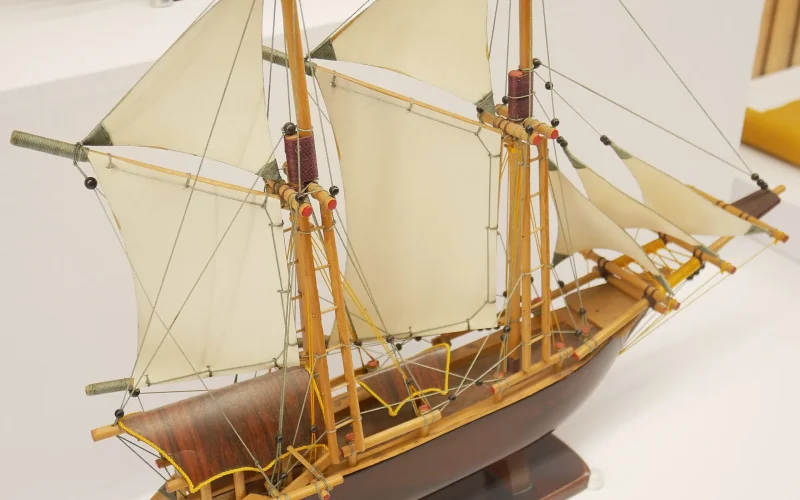
Heritage & People
18 Aug 2026
Heritage & People
18 Aug 2026
Heritage & People
18 Aug 2026
Ownership & Contracts
18 Aug 2026